All Articles
The Journal
All Inclusive Argentina: 2026 Trip Planning Guide
August 4, 202613 min readargentina travelpatagonia lodges
Plan all inclusive Argentina trips with regional breakdowns, sample itineraries, and budget tips for families, couples, and long stays.
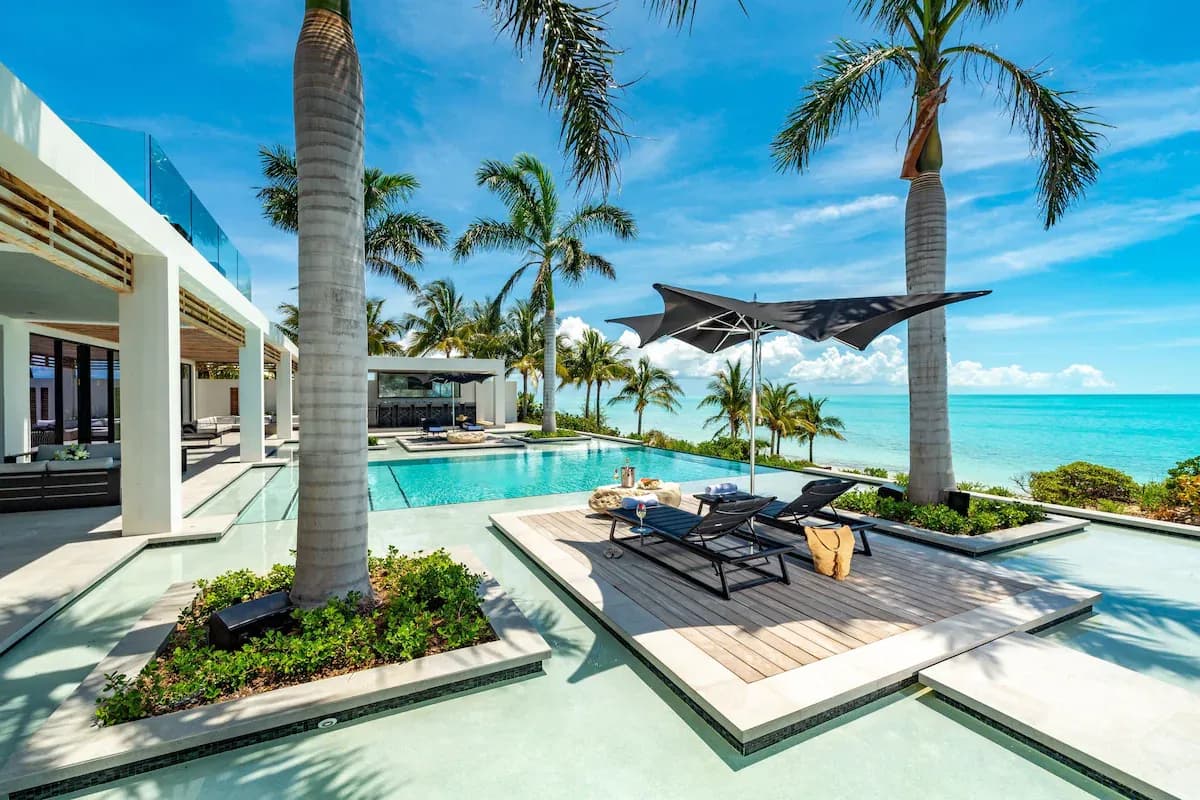
All inclusive Argentina is not a Caribbean resort market wearing a different label. It's a lodge-bundle market, and the numbers make that clear, with Argentina's all-inclusive supply sitting in a finite range of roughly 80 to 110 resorts depending on the source, while KAYAK shows 82 resorts and Expedia lists 109. That matters because the country's travel inventory is shaped by geography, not by beach density, and the bundle you buy in Mendoza is built around wine, while the one in Patagonia is built around glaciers and transfers.
Argentina itself is large enough to support this kind of differentiated inventory. The World Bank reports a 2025 population of 45,851,378, GDP of US$683.1 billion, GDP per capita of US$14,898.1, and annual GDP growth of 4.4%. INDEC's official census data puts the population at 46,044,703 in 2022, up 15.3% from 2010, with a median age of about 34 and life expectancy of 78 years (World Bank data on Argentina, INDEC institutional profile). This isn't niche boutique supply. It's a mid-to-large economy with a domestic base big enough to sustain serious leisure inventory, even if the market is far from mass beach-resort scale.

Why Argentina All-Inclusive Is a Different Market
Argentina's all-inclusive supply operates on a lodge bundle model, and that is why it behaves differently from the beach-resort version travelers usually expect. The standard package combines accommodation, full board, wine, guided excursions, and transfers, but the mix changes sharply by region. In Mendoza, the bundle centers on wineries and vineyard access. In Patagonia, it centers on glacier walks and hikes. In Iguazú, it usually means guided visits to the falls (Argentina all-inclusive format overview).
Two trips can carry the same “all-inclusive” label and still deliver completely different stays. One family may book a mountain lodge with dinners, transfers, and a few structured outings. Another may stay at a wine estate where the trip revolves around tastings, estate meals, and short guided visits. The branding is shared, but the operating model is not.
The practical reading of the market
Plan Argentina like a Caribbean resort market, and you will misprice the trip and misunderstand the product. The better way to read it is as curated, activity-led inventory built around geography, not resort sprawl. That is also why supply stays relatively tight even with a large national travel base behind it.
Practical rule: In Argentina, the real product is not the room alone. It is the room plus access, transport, and the day plan.
Regional variation drives the value. Mendoza sells a slower, food-and-wine version of all inclusive. Patagonia sells a remote, expedition-style version. Iguazú sells a nature-access version. Buenos Aires is usually the exception, not the standard, because urban all-inclusive there is more often a packaged hotel stay than a true resort model.
Treat the market on those terms, and the planning gets clearer. Compare lodge bundles by geography, excursion density, and transfer complexity. That is the right lens.
What the Bundle Covers
The Argentine version of all inclusive is straightforward once you strip away the marketing. You are usually buying a room, full board, house wine with meals, guided excursions, bilingual support, and ground transfers. The activity mix changes by destination, but the operating model stays the same. You are paying for convenience and coordination, not for a giant resort campus.
A strong package quote should spell out what is included and what is excluded. The usual exclusions are premium wines, imported spirits, spa treatments, gratuities, park entrance fees, and optional adventure add-ons. If a property says the rate covers excursions, that still does not automatically mean every ticket, fee, or transport leg is covered. Read the inclusions line by line.
Use a five-night stay as your test case
Take a five-night estancia stay in Mendoza. A good quote should specify the room category, breakfast through dinner coverage, the number of guided outings, wine service with meals, and whether transfers are private or shared. If the package mentions winery access, check whether tastings are included or arranged. Those are not the same thing.
The Argentine version of all inclusive is easy to read once you separate bundle value from out-of-pocket extras. Argentina's lodge model is strongest when meals and excursions are packaged cleanly. It gets weaker when the property sells a headline all-inclusive rate but pushes the meaningful experience into add-ons.
Read the quote as a logistics document, not as a promise. If the package does not say what is covered, assume you will pay separately.
That mindset helps on family trips, too. The right bundle cuts decision fatigue, especially when you are coordinating grandparents, kids, and different arrival times. The wrong bundle just shifts the stress from planning to the front desk.
If you are building a trip budget from scratch, use travel budget planning guidance as your outside checklist for separating fixed trip costs from optional spending. If you want a clearer view of how packaged travel compares with booking every piece on your own, this comparison of vacation packages and separate bookings is worth reading once.
Regional Breakdown of All-Inclusive Offerings
Argentina's all-inclusive market makes sense only when you break it into regions. Iguazú, Patagonia, Mendoza, and Buenos Aires don't compete on the same terms, because each one sells a different kind of trip. The label is shared, the experience isn't.
Here's the cleanest way to look at it.
| Region | Property Type | Signature Bundle | Best For | Weekly Stays Common |
|---|---|---|---|---|
| Iguazú | Lodge or park-adjacent hotel | Guided falls visits, transfers, full board | Couples, nature-focused travelers | Sometimes |
| Patagonia | Remote lodge, expedition property, lake district retreat | Glacier walks, hikes, wildlife access, transfers | Adventure travelers, active couples | Often |
| Mendoza | Wine estate, estancia-style lodge | Vineyard tours, tastings, asado-style dining, transfers | Wine enthusiasts, slower-paced travelers | Sometimes |
| Buenos Aires | Urban hotel package, luxury city stay | City touring, dinner inclusions, limited bundled extras | Short-stay urban visitors | Rarely |
Iguazú and Patagonia operate differently
Iguazú is the easiest region to understand. The bundle is built around park access and guided visits, so the property's value comes from location and coordination. It suits travelers who want the falls experience handled end to end.
Patagonia is a different animal. The lodges are more remote, the transfer layer matters more, and the excursion structure is often more central to the stay than the room itself. That's why Patagonia works best for travelers who want the geography, not just the photo stops.
Mendoza sits in the middle. It's less about exertion and more about rhythm. The best properties use the region's wine identity as the anchor for the whole stay, so the package feels slower and more social.
Buenos Aires is the outlier. True all-inclusive is uncommon there, and when it appears, it's usually a luxury hotel package rather than a resort-style product. That makes it useful as a prelude or bookend to a larger itinerary, not as the core of a long stay.
Decision rule: If your priority is scenery, choose Patagonia. If it's wine, choose Mendoza. If it's an iconic natural landmark, choose Iguazú. If it's urban time, treat Buenos Aires as a city package, not a resort destination.
For a fast scan, use this regional logic before you compare prices. It keeps you from overpaying for a bundle that doesn't match the trip you want.
Budgeting What an Argentina All-Inclusive Week Costs
The pricing picture is tight enough to be useful, but not wide enough to be casual. KAYAK shows 82 resorts in Argentina, with an average weeknight price of €201 and an average weekend night price of €217, so the baseline rate already shifts by day of week (KAYAK Argentina resort pricing). The same data says the cheapest month is September, with an average 48% drop in price, while January is the most expensive month, with an average 65% rise.
That seasonal spread is the booking lever. If you can move travel into September, or at least avoid January, the math changes fast. For longer stays, the weekend premium matters too, because it compounds over multiple nights rather than disappearing into one isolated booking.

The clean way to budget is simple. Multiply the nightly rate by the number of nights, then add the items the bundle usually leaves out, like internal flights, park fees, gratuities, and premium drinks. A lodge that looks expensive on paper can still win on value if it includes several excursions and full board, because the replacement cost of those items adds up quickly. For a practical way to map those extra lines before you book, use Approved Experiences' travel budget planning guide and compare it against the inclusions listed by each property.
What to watch when comparing rates
A low nightly rate is not automatically a better trip. The question is how much operational work the bundle removes. A higher room rate can still be the smarter spend if it cuts out multiple separate bookings and daily logistics.
The right comparison is effective trip cost, not room rate. If meals, transfers, and excursions are bundled cleanly, the nightly total often tells only half the story.
Use this model for shorter and longer stays alike. A weekend in Buenos Aires, a week in Mendoza, and an expedition-style Patagonia trip all behave differently, but the budget logic is the same. Price the bundle, then price the exceptions.
For a close look at how Argentina's resort logic changes across trip styles, see cameras for streaming construction sites. The comparison is useful because it forces you to separate the room rate from the moving parts that drive cost.
Sample 7-Night and 14-Night Itineraries
A good Argentina itinerary is built around transfer days, not around wishful thinking. If you ignore the flight legs and ground timing, you end up with a trip that looks efficient on paper and feels rushed in practice. That's especially true in a country where the bundle often depends on moving between regions.
Seven nights with Buenos Aires and Iguazú
Start with three nights in Buenos Aires using a city-based all-inclusive package that covers dinners and local touring. Then move to Iguazú for four nights in a lodge that includes guided falls visits, transfers, and a side trip to the Brazilian side of the falls. This is the better split for travelers who want a mix of urban energy and one major natural landmark without overloading the schedule.
The biggest mistake here is treating Buenos Aires as a throwaway stop. It works better as a decompression city, where you arrive, adjust, and get one clean block of urban time before heading north. Keep luggage simple and make sure the transfer to Iguazú is locked before the lodge deposit window closes.
Fourteen nights in Patagonia
Patagonia needs more breathing room. A practical version starts with two nights in El Calafate for arrival and acclimation, followed by four nights at a glacier lodge with daily trekking or guided outings. Then you move by internal flight to Ushuaia for four nights of Tierra del Fuego excursions, and finish with two buffer nights for weather or schedule disruption.
That buffer is not optional. Patagonia travel is too remote to pretend every segment will run perfectly on the first try. Build around the region's geography instead of trying to force it into a fixed urban timetable.
Practical planning note: A 14-night Patagonia trip usually has several moving parts. If you don't leave room for weather or transfer slippage, the itinerary starts to collapse under its own pace.
These two examples show the difference in Argentina planning. Buenos Aires plus Iguazú is a clean cultural-and-nature split. Patagonia is a multi-leg expedition that rewards patience and punishes overpacking.
Who the Argentina All-Inclusive Model Fits
This market fits some travelers extremely well and others only awkwardly. The best match is the traveler who wants activity, structure, and fewer on-the-ground decisions. The weakest fit is the person who wants a month-long condo, a dedicated desk, or a giant resort campus.
Families, long stays, remote work, and snowbird logic
Multigenerational families get real value from the bundle because it reduces coordination across meals, transfers, and daily outings. The constraint is sleeping flexibility. Large groups often need two rooms or a hybrid setup, because a single property that sleeps everyone comfortably is not always the easiest thing to book.
Long-stay snowbird travelers face a tougher problem. Argentina's all-inclusive supply is built around week-scale trips, not month-long residential living. If you need kitchens, laundry routines, and a more settled rhythm, a condo-style rental usually fits better than a lodge bundle.
Remote workers should be cautious too. Some Mendoza properties can work for a blended leisure-and-work stay, but most lodges are not built as productivity-first spaces. If dependable workspace is a requirement, do not assume the all-inclusive label solves it.
Frequent leisure travelers and cruise-oriented planners are the strongest fit. The bundle structure makes multi-stop planning cleaner, and the trip feels more organized without requiring constant comparison shopping.
Argentina's domestic travel base is broad, not niche, which helps explain why these lodge-style bundles keep finding an audience. The INDEC census profile shows a large population, a relatively young median age, and a stable national travel market that supports more than just occasional foreign demand.

If your trip falls somewhere between those groups, use a hybrid plan. Keep the all-inclusive lodge where it adds real operational value, then move to a rental or city hotel when your needs shift.
For larger households, Approved Experiences' guide to all-inclusive travel for families is the right lens for deciding when bundled travel helps and when it starts to get in the way.
Booking Logistics and How to Consolidate the Trip
Argentina bookings fail when travelers treat the lodge as the first purchase. It is the last one you should confirm. Internal flight schedules, transfer windows, and deposit terms need a hard check before money goes down, especially on itineraries that cross regions or rely on tight same-day connections.
Passport validity and visa rules come first. After that, get the cancellation policy and weather rebooking terms in writing, because Patagonia and other outdoor-heavy routes change fast. Then confirm exactly which excursions are included and which are optional, so the stay does not turn into a pile of add-ons you did not price into the trip.
Where consolidated inventory helps
Consolidated inventory helps because it puts a multi-platform trip under one operational layer. One membership can give wholesale-rate access to over 1,000,000 hotels, 700+ airlines, 44+ cruise lines, 30,000+ car rental locations, 500,000+ vacation homes, and 5,500+ tour packages. That matters when you are trying to hold an Argentina lodge, an internal flight, and transfers without managing separate logins and separate payment flows.
The value lies in access and control rather than in coupon-style savings. Reward Credits carry forward without expiring, and household planning gets easier because up to 10 household members can share full benefit parity. For families that want one person to coordinate the moving parts, the Approved Lux 24/7 Personal Assistant can handle the trip layer for up to 10 household members. If you want a direct comparison of bundled inventory and piecemeal booking, this comparison of vacation packages versus booking separately lays out the tradeoff clearly.
One more operational point. Once an Argentina trip is being stitched to another international leg, ground handling matters as much as hotel branding. If a family is routing through China before a South America departure, chauffeured transfers from Baiyun Airport can keep the connection from turning into a scramble.
Best practice: Lock the flight, then the lodge, then the transfers. Anything else increases the chance of paying for convenience you can't use.
Pre-Booking Checklist for an All-Inclusive Argentina Trip
Before you book, confirm passport validity for six months beyond travel dates and check visa reciprocity rules for your nationality. Get written confirmation of which excursions are included, which meals are covered, and which transfers are private versus shared.
Make sure internal flights line up with lodge check-in times, especially if you're building a multi-region route. Ask for the cancellation policy in writing, and if you're heading to Patagonia, ask how weather rebooking is handled.
If you're traveling with specific needs, confirm dietary requirements, accessibility, and room configuration before paying deposits. For family bookings through an aggregated inventory platform, verify that the lodge is bookable, that the internal flight is on a supported carrier, and that your Reward Credits will be available for the next booking.

If you're planning an Argentina trip and want the logistics handled with less friction, explore Approved Experiences Traveler. It gives you the access layer to consolidate hotels, flights, transfers, and activities in one place, which is exactly what this market rewards. For families, long-stay planners, and frequent travelers, that operational control is the win.
Want the wider view?
Ten categories. One report. Every quarter. The Approved List tracks what's rising and what's fading: data-backed signals, not opinions.
Free to join · Delivered by email